
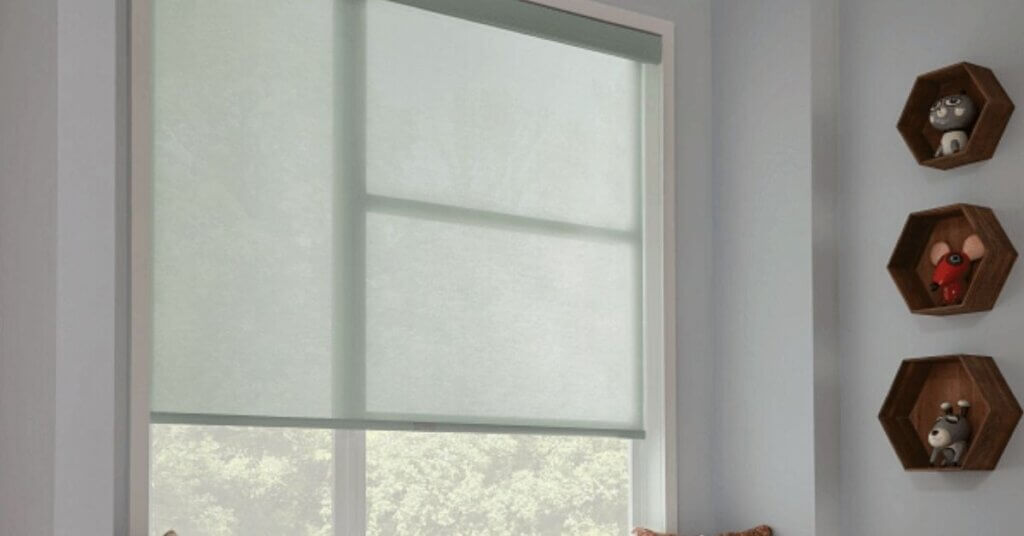
Solar shades are a top choice for controlling sunlight, glare, and heat while maintaining a clear view outside. The key to achieving the perfect balance lies in understanding the openness factor—a measurement that determines how much light and visibility your shade allows. This guide breaks down how openness works, how different percentages affect comfort and privacy, and how to choose the ideal solar shade for your home or office.
Understanding the Openness Factor
The openness factor in solar shades refers to the tightness of the fabric weave. It’s expressed as a percentage, typically ranging from 1% to 10%, and dictates how much sunlight passes through the material.
- Low openness (1%–3%): Tighter weave, reduced light, more privacy.
- Medium openness (4%–6%): Balanced light filtering with moderate privacy.
- High openness (7%–10%): Looser weave, brighter interiors, clearer views.
Essentially, a lower openness percentage provides stronger UV protection and glare control, while a higher openness factor lets in more natural light and visibility.
How Openness Affects Light, Heat, and Privacy
Choosing the right openness level depends on your room’s exposure to sunlight and your lifestyle needs.
Light and Glare Control
Solar shades with a 1%–3% openness significantly reduce glare, making them ideal for media rooms, offices, or spaces facing intense afternoon sun. In contrast, higher openness shades allow more daylight in, which helps maintain brightness in living areas without overwhelming the space.
Heat and Energy Efficiency
Lower openness solar shades act like a barrier against solar heat gain. By blocking more UV rays and sunlight, they keep interiors cooler and reduce the load on air conditioning systems. Homes and businesses in sunny regions benefit from 3% or lower openness for improved comfort and energy savings.
Privacy and Visibility
During the day, a low openness fabric provides better daytime privacy while still preserving some outdoor visibility. At night, however, solar shades are less effective for privacy when interior lights are on. For rooms needing full nighttime coverage, pairing solar shades with layered treatments such as drapery or blackout roller shades is a smart solution.
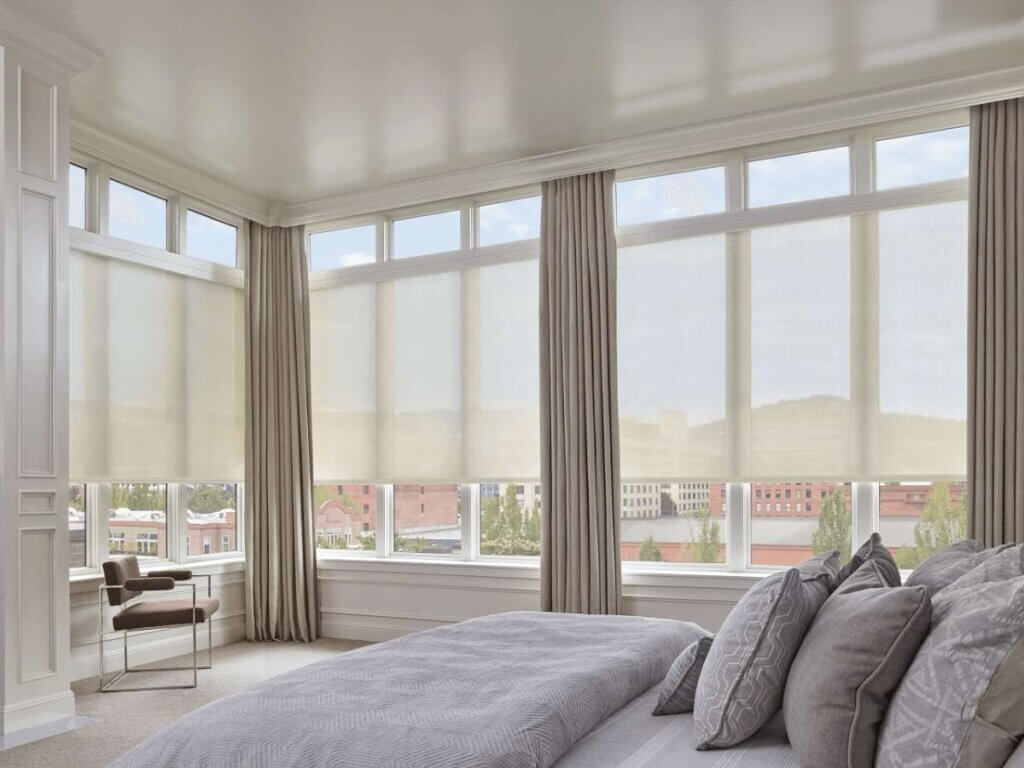
Matching Openness to Room Function
Each room has different needs for light, comfort, and function. Selecting the right openness solar shade starts with identifying how you use each space.
Living Rooms and Kitchens
A 5%–10% openness fabric maintains an airy feel and preserves exterior views. This option is perfect for enjoying natural light without losing connection to outdoor scenery.
Bedrooms and Bathrooms
For these more private spaces, choose 1%–3% openness to minimize visibility and block harsh sunlight. You’ll enjoy a darker, cooler environment that promotes relaxation.
Offices and Media Rooms
To avoid glare on screens and enhance comfort, 2%–5% openness works best. It softens daylight, reduces eye strain, and keeps the room comfortable for long hours of work or entertainment.
Balancing View, Comfort, and Design
When selecting solar shades, consider not only function but also aesthetics. The color and weave of the fabric can impact brightness and ambiance:
- Light-colored fabrics reflect heat and brighten interiors.
- Dark-colored fabrics enhance outdoor views and reduce glare.
Combining openness level with fabric tone helps you achieve a balance between comfort, energy efficiency, and style.
The Role of Fabric Quality and Installation
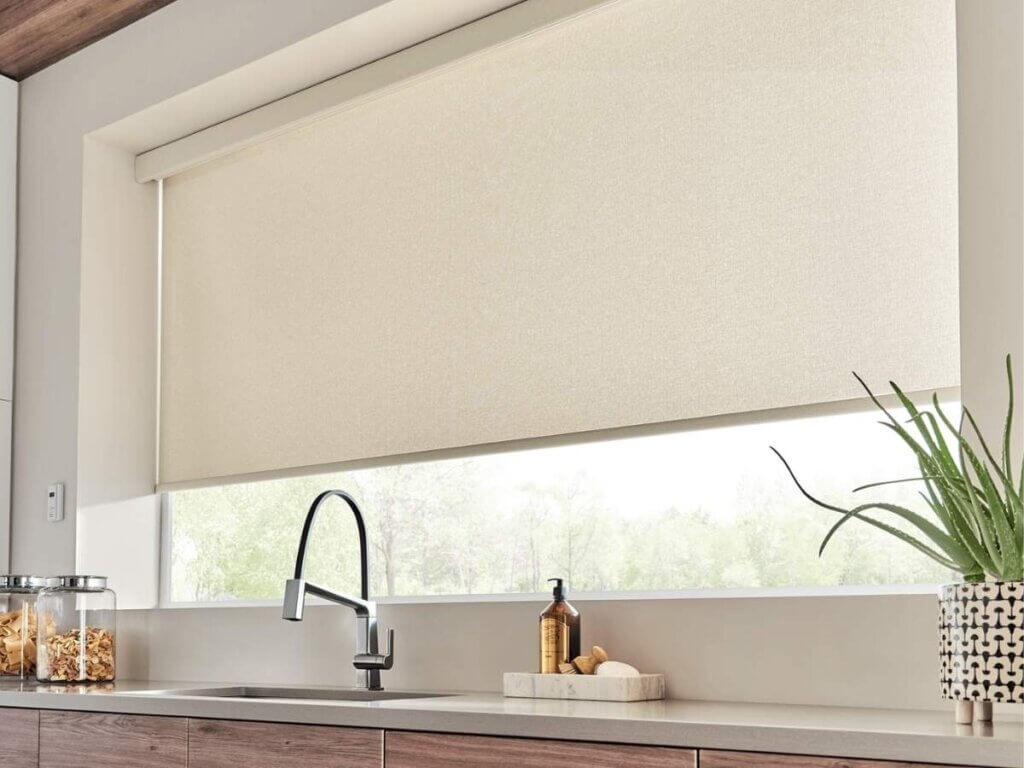
Even the perfect openness percentage can underperform without the right materials or installation. High-quality solar shade fabrics are designed to block up to 99% of UV rays, reducing fading on furniture and floors. Professional installation ensures proper fit and smooth operation, especially for large or high windows that require precise measurements.
FAQs About Solar Shades Openness Factor
What is the most popular openness level for solar shades?
Do solar shades work well at night?
Solar shades primarily provide privacy during the day. At night, when interior lights are on, they become more transparent from the outside. To improve nighttime privacy, combine solar shades with curtains, draperies, or room-darkening roller shades.
How do I clean and maintain solar shade fabric?
Most solar shade fabrics are easy to clean. A light vacuum with a brush attachment or gentle wiping with a damp cloth is usually enough. Avoid harsh chemicals, as they may damage the UV-resistant coating and reduce the fabric’s lifespan.
Finding Your Ideal Openness Factor
Choosing the right openness solar shades means finding the perfect middle ground between visibility, comfort, and energy control. Whether you need a bright, open space or a cool, shaded retreat, the right percentage makes all the difference.
If you’re unsure where to start, the experts at Made In The Shade Annapolis can guide you through fabric options and openness levels that suit your light and privacy preferences. Schedule a free consultation to explore stylish, functional solar shades that fit your lifestyle and your home perfectly.